Foundation Model
Oryn
An foundation model built for complex workflows in fitness and wellness, enabling agents more more robust, responsive, and manageable in real-world scenarios.
Oryn Foundation Model
A fitness & wellness foundation model powering robust, responsive, and manageable AI agents.
An foundation model built for complex workflows in fitness and wellness, enabling agents more more robust, responsive, and manageable in real-world scenarios.
Oryn-Agent is an AI health coach that understands you and proactively accompanies you through your training.
Oryn-Vigor is a human motion understanding vision model for intelligent fitness.
VLM for intuitive, precise, and sustainable nutrition management.
Oryn-Somni is a solution generation model for personalized sleep management
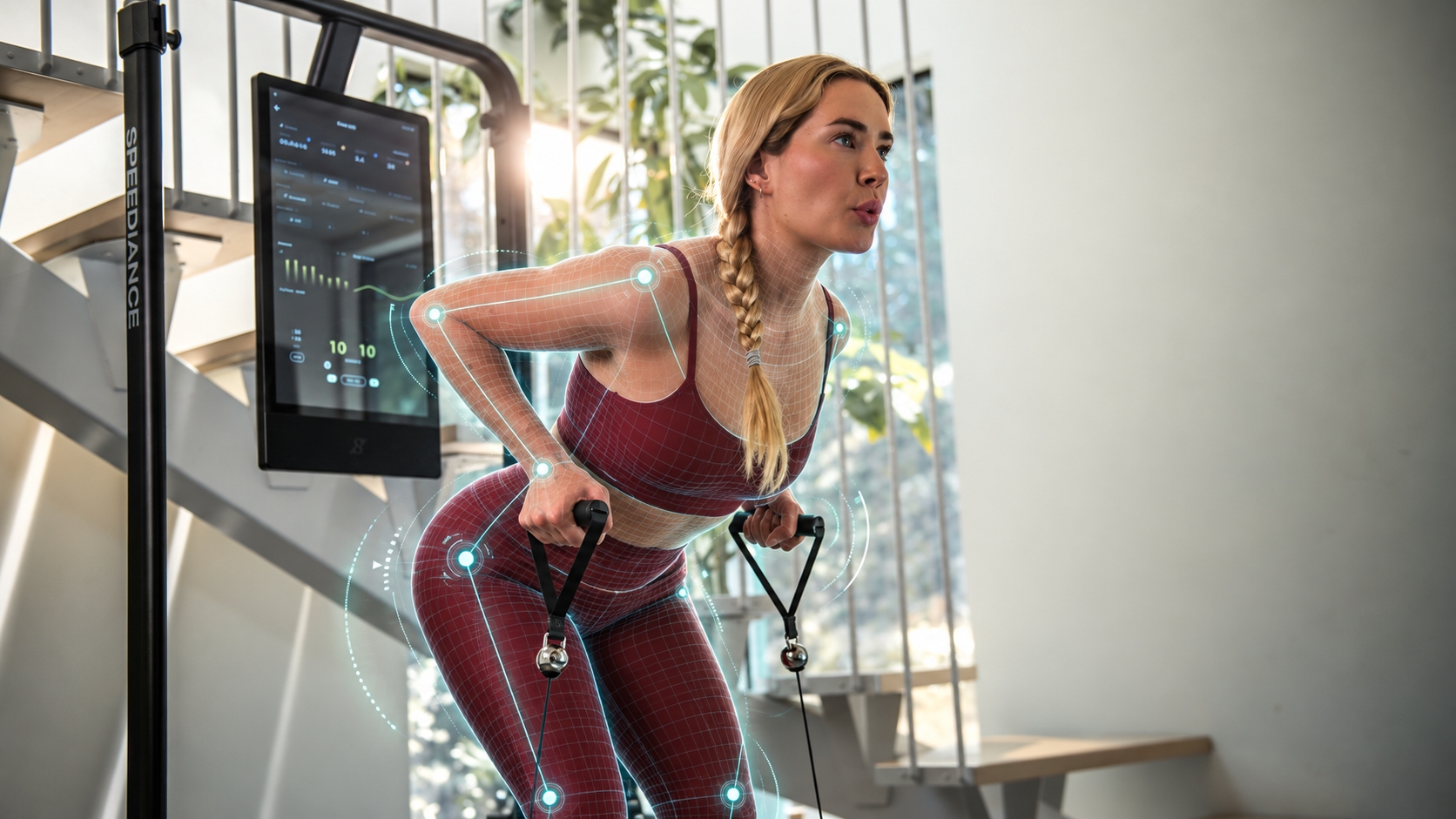
How Do We Recognizes Exercises
This blog presents an on-device real-time action understanding framework for AI-powered fitness. From continuous video captured by a smartphone camera, the framework sequentially performs training-state detection and hierarchical action recognition—from coarse movement categories to fine-grained variants—by fusing human motion cues with visual scene context. Running entirely on-device, it achieves over 90% real-time recognition accuracy across nearly 100 action subcategories, providing perceptual grounding for workout logging, real-time feedback, and coaching agents.

How Long-Term Memory Becomes an Updatable Decision System
Long-term memory in AI Agents is state infrastructure, not simple retrieval. This post outlines an end-to-end architecture that converts scattered signals into traceable evidence and updatable states. By compiling task-specific context and closing the feedback loop with data lineage, agents move beyond merely remembering history to continuously making better decisions over time.
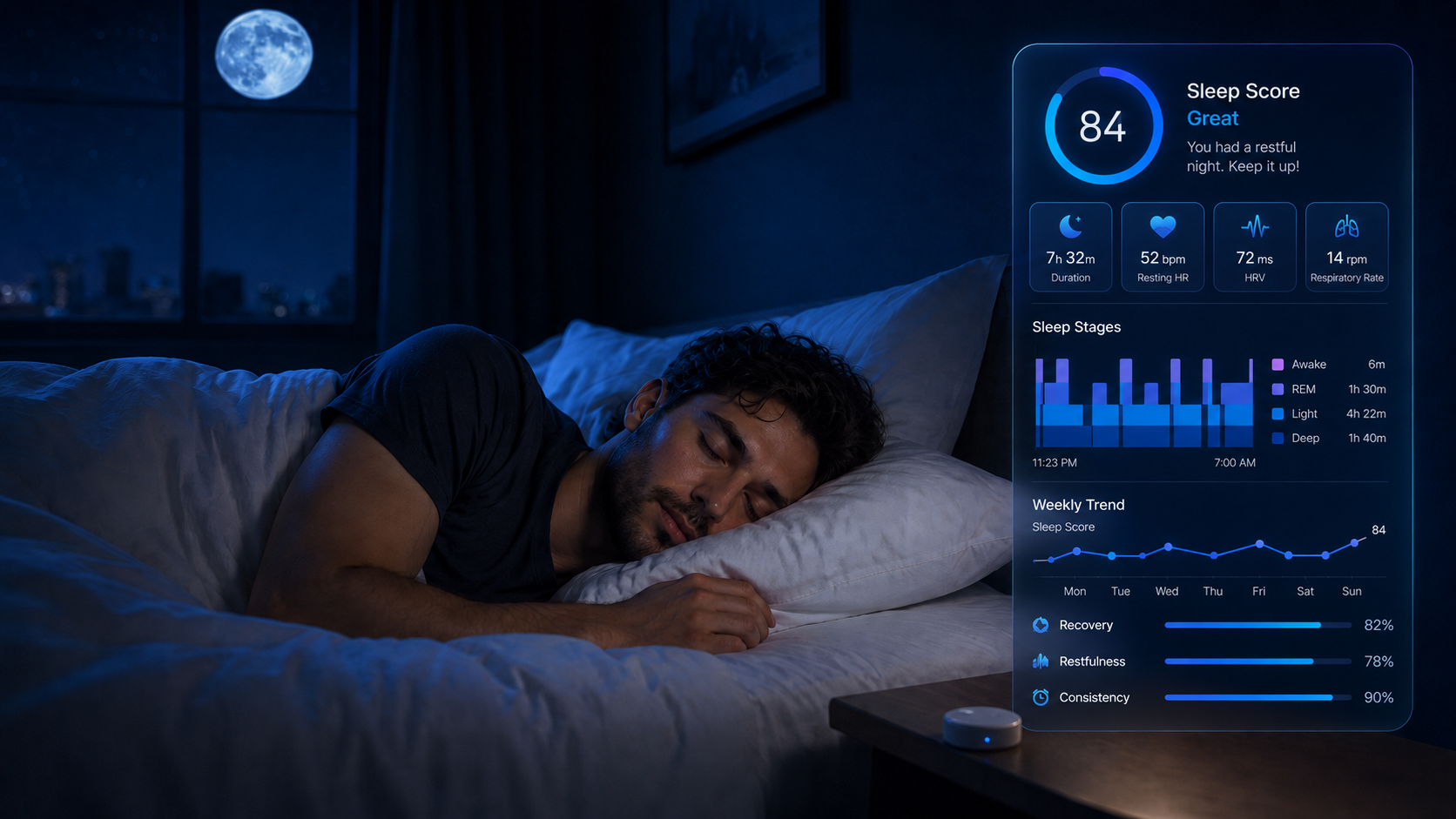
How can a model read weeks or months of sleep records, identify the right facts, explain possible causes, and recommend safe actions a user can follow
Why can someone still feel tired after 7.5 hours of sleep? Finding important patterns across weeks or months of sleep records, explaining what may drive them, and turning findings into safe, personal actions: challenges and a training pipeline with reasoning graphs, weighted DPOP, and fine-grained GRPO.
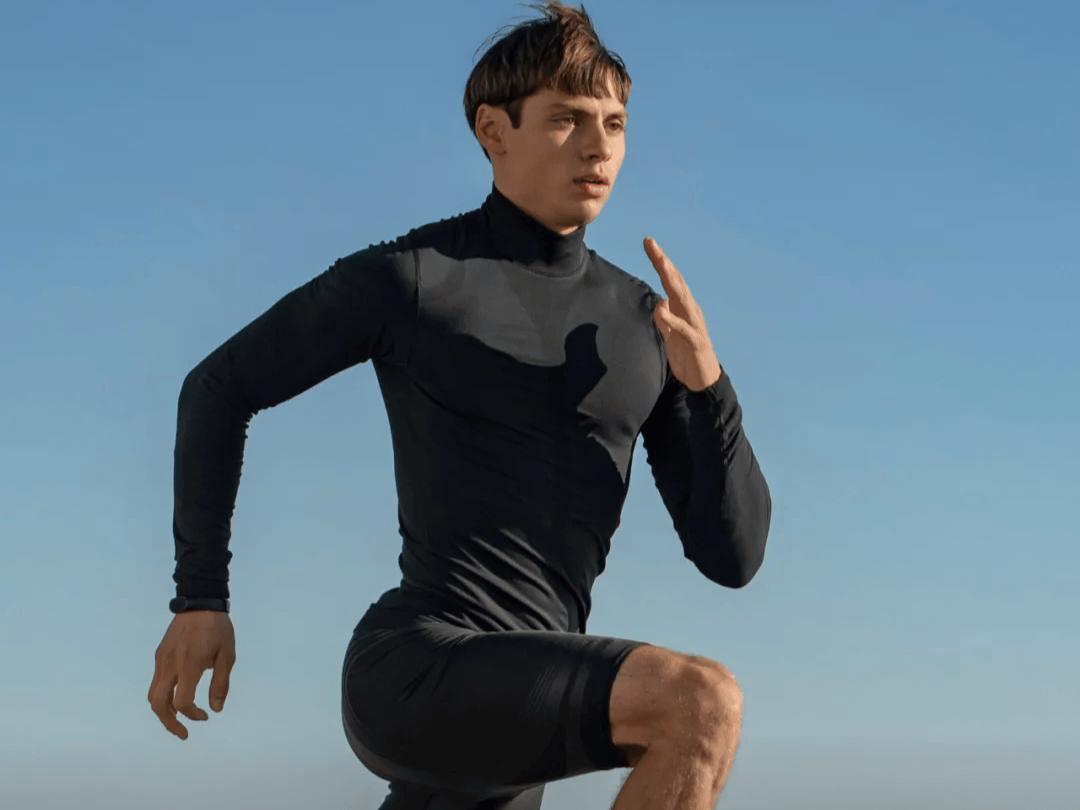
Why Building a Training Plan Is Harder Than It Looks
The core challenge of AI training planning isn't being "smart," but constraint management—the complex interplay between equipment capabilities, training goals, recovery needs, and scheduling. Moving from "train with what you have" to "train with what's suitable," AI must find balance at the intersection of constraints: same goals require different approaches with different equipment, adjacent training days have invisible recovery chains, and week-over-week progression cannot rely on cutting rest. The real challenge is translating exercise science principles into constraint solving.
Careers
We welcome people who are curious about models, systems, products, and real-world problems. This lab needs both research sharpness and engineering patience.
Apply NowTurning models, data, evaluation, and deployment into intelligent tools for real business workflows.